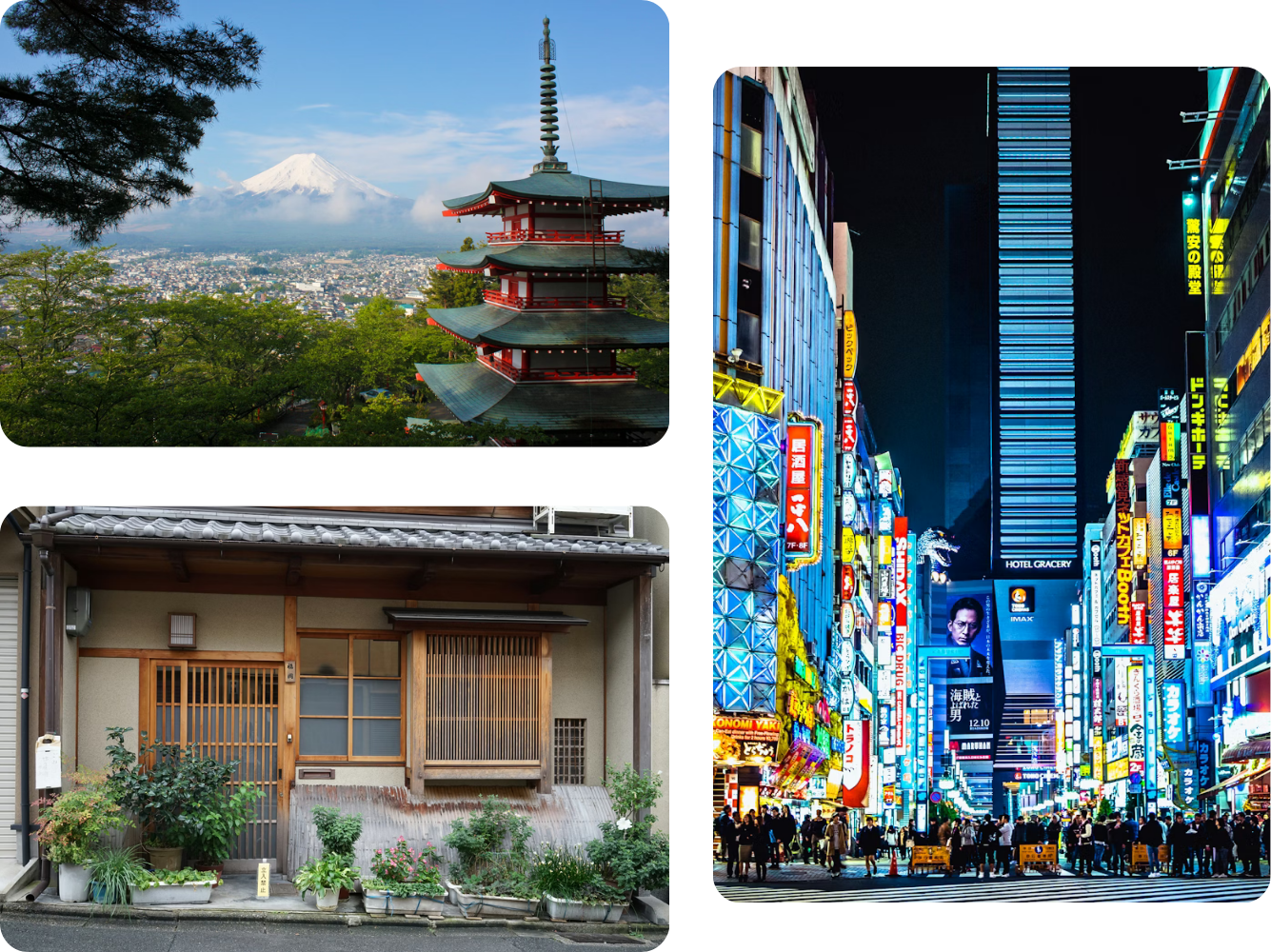
No Key Money or Deposit
Traditional Japanese rentals require expensive upfront payments including key money (礼金, reikin) and security deposits (敷金, shikikin). JapanHeya makes it easy to discover listings with transparent pricing and no key money, no deposit, and minimal upfront fees. Browse options from trusted hosts and property managers who offer flexible terms for international residents.
In Tokyo, Osaka, Kyoto, and across Japan, save ¥200,000-¥600,000+ in initial move-in costs by choosing properties that waive traditional fees. Perfect for digital nomads, families, professionals, and travellers who want to avoid the financial burden of Japanese rental customs without sacrificing location or quality.
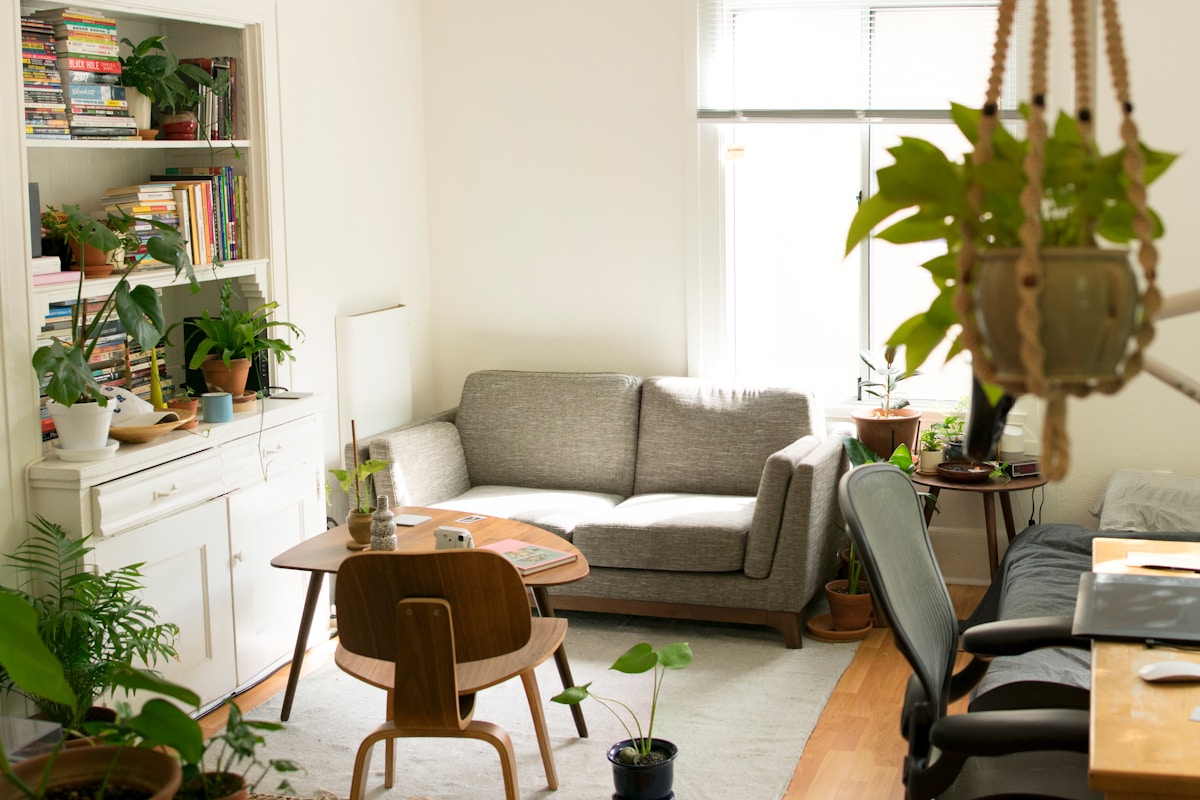
No Key Money
Key money (rei-kin) can cost months of rent. Discover listings that don't charge it, saving you thousands. Filter by fee structure to find budget-friendly options.
No Deposit
Find rentals with no security deposit required. Browse listings from hosts who prioritize accessibility and great experiences for international guests.
No Guarantor Required
Discover rentals that skip the hassle of finding a Japanese guarantor. JapanHeya aggregates listings with streamlined application processes perfect for expats and travellers.
Transparent Fees
Compare rentals with transparent pricing. What you see is what you pay. No hidden fees, no surprise charges, no unexpected costs. Ideal for budget-conscious travellers and professionals.
Find No Key Money/Deposit Apartments Across Japan
Discover affordable move-in options in major Japanese cities

Tokyo
Save ¥400,000-¥600,000+ on move-in costs by finding Tokyo apartments without key money and deposit. Many foreigner-friendly properties in Setagaya, Meguro, and other wards waive traditional fees, making city living accessible without massive upfront payments. Perfect for professionals and students moving to Japan's capital.

Osaka
Discover rentals in Osaka that skip key money and reduce deposit requirements. Enjoy more affordable move-in costs in Kansai's vibrant city, where landlords increasingly cater to international residents with simplified fee structures. Save significant money while living in prime Osaka locations.

Kyoto
Find affordable housing options in Kyoto without traditional key money fees. Many properties catering to students and international visitors offer minimal upfront costs, making it easier to establish residency in Japan's cultural capital without straining your budget.
Why Choose No Key Money/Deposit Rentals in Japan?
Understand and avoid traditional Japanese rental upfront costs
Avoid Key Money (礼金 - Reikin)
Key money is a non-refundable payment to the landlord, typically equal to 1-2 months of rent. This traditional Japanese custom can cost ¥100,000-¥200,000+ in Tokyo. Properties on JapanHeya that waive key money immediately save you this substantial expense, making moving to Japan financially accessible for students, young professionals, and families.
Reduce or Eliminate Security Deposits
Traditional security deposits (敷金 - shikikin) range from 1-2 months rent and often have deductions for cleaning and repairs upon move-out. Many listings on JapanHeya require minimal or no deposits, freeing up ¥100,000-¥200,000+ that would otherwise be locked up for the duration of your lease.
No Guarantor Required
Traditional Japanese rentals often require a Japanese guarantor (保証人 - hoshounin) or paid guarantor company services costing 50-100% of one month's rent. Foreigner-friendly rentals on JapanHeya typically eliminate this requirement, saving ¥50,000-¥100,000+ and removing a major barrier for international residents who lack local connections.
Frequently Asked Questions About Rental Fees in Japan
What are typical move-in costs for traditional apartments in Tokyo?
Traditional Tokyo apartments typically require 4-6 months of rent upfront, including: first month's rent, key money (1-2 months, non-refundable), security deposit (1-2 months, partially refundable), guarantor fee (0.5-1 month), agency fee (0.5-1 month), plus insurance and other costs. For a ¥150,000/month apartment, expect ¥600,000-¥900,000 in initial move-in costs. JapanHeya helps you find properties eliminating many of these fees.
Why do Japanese apartments charge key money?
Key money (礼金 - reikin) is a longstanding Japanese custom where tenants pay a non-refundable "gift" to the landlord as gratitude for renting the property. While increasingly controversial and less common in some areas, it remains standard in many traditional Tokyo and Osaka rentals. Forward-thinking landlords and management companies are eliminating this practice to attract tenants, especially international residents accustomed to different norms.
Are security deposits refundable in Japan?
Security deposits (敷金 - shikikin) are theoretically refundable but landlords commonly deduct substantial amounts for cleaning, repairs, and "wear and tear" upon move-out. Tenants often receive only 30-70% of their deposit back. Many listings on JapanHeya eliminate deposits entirely or charge minimal amounts with transparent return policies, avoiding this common source of friction and financial loss.
Can foreigners rent in Japan without a Japanese guarantor?
Traditional Japanese landlords typically require Japanese guarantors, making rental applications challenging for foreigners. However, foreigner-friendly apartments, especially those listed on JapanHeya, often waive guarantor requirements or accept international guarantor services. These properties understand that international residents may lack local connections and offer simplified application processes designed specifically for expats, students, and professionals relocating to Japan.
Get Your Free Moving to Japan Checklist
39 essential steps covering everything from visas and housing to daily life. Don't miss a single detail for your move.
We respect your privacy. Unsubscribe at any time.
Find your home or apartment
Discover your perfect rental in Japan. Find short or long-term stays that feel like home.
Find My Place