


Moving to Japan is an exciting adventure, but securing housing is often the first and most daunting challenge for foreigners. The Japanese rental market is unique, offering two distinct primary living arrangements: Share Houses and Private Apartments.
While private apartments offer the traditional standard of living, share houses have exploded in popularity in recent years, especially among expats and students. But which one is right for you? This comprehensive guide compares the two based on cost, privacy, community, and the application process.
What is a Share House?
A share house (often called a "guest house" or "share house") is a living arrangement where residents share common facilities such as the kitchen, living room, and sometimes bathrooms, while having a private or semi-private bedroom.
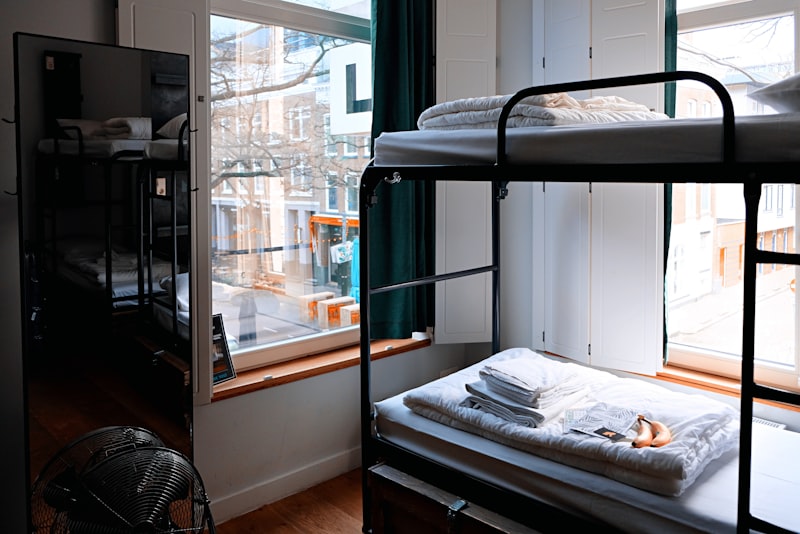
Share houses in Japan come in various styles:
- Dormitory Style: Bunk beds in a shared room (cheapest option).
- Private Room: A small, lockable room with shared common areas.
- House Share: A standard house where you rent one room.
Pros:
- Low Initial Cost: Move-in costs are significantly lower than apartments.
- Furnished: Most come with furniture and appliances.
- Community: Great for making friends and practicing Japanese.
- Flexible Contracts: Short-term contracts are common.
Cons:
- Less Privacy: Walls can be thin, and you must share facilities.
- Rules: Many houses have strict rules regarding guests, noise, and cleaning duties.
What is a Private Apartment?
A private apartment (often called an "aparto" or "mansion") is a self-contained unit where you have exclusive use of the kitchen, bathroom, and entrance.
Units are typically classified by layout codes:
- 1R / 1K: One room with a kitchen (K) inside the room or separate.
- 1DK: One room with a dining kitchen area.
- 1LDK: One room, living, dining, and kitchen area.
Pros:
- Total Privacy: Complete control over your space.
- No Restrictions: You can cook what you want, play music, and have guests over freely.
- Standard Utilities: Easier to set up internet and utilities in your own name.
Cons:
- High Initial Cost: "Move-in money" can be 4-6 months of rent.
- Unfurnished: You must buy your own appliances (fridge, washing machine, etc.).
- Strict Approval: Landlords can be hesitant to rent to foreigners without a guaranteed guarantor.
Cost Comparison: The Bottom Line
The financial differences between these two options are drastic, particularly regarding upfront fees.
1. Initial Costs (Move-in Fees)
-
Share House: Typically ¥30,000 to ¥60,000. This usually includes a deposit and the first month's rent. There is rarely "key money" (gift money to the landlord) or expensive agency fees.
-
Private Apartment: Typically ¥200,000 to ¥500,000+. You must pay:
-
Shikikin (Deposit): 0-2 months of rent (refundable, minus cleaning fees).
-
Reikin (Key Money): 0-2 months of rent (non-refundable "gift" to the landlord).
-
Chukai-tesuryo (Agency Fee): 0.5 to 1 month of rent.
-
Insurance & Lock Change Fees: Mandatory.
-
First Month's Rent: Prorated or full amount.
2. Monthly Costs
-
Share House: Rent usually includes utilities (water, electricity, gas) and internet. This makes budgeting very easy.
-
Private Apartment: Rent + Utilities. In winter, heating an entire apartment can be expensive. You must also pay a separate monthly management fee (kanrihi).
Privacy vs. Community: The Lifestyle Factor
This is the most personal aspect of the decision.
Choose a Share House if:
- It is your first time living in Japan and you want a safety net of English-speaking or Japanese-speaking housemates.
- You are on a budget but don't want a tiny, isolated apartment.
- You are looking for short-term accommodation (1-6 months).
- You value social interaction and want to network easily.
Choose a Private Apartment if:
- You value your solitude and need a quiet space to work or study.
- You plan to stay in Japan for a long time (2+ years).
- You have a partner or pet (though finding pet-friendly apartments is challenging, it is easier than finding a pet-friendly share house).
- You prefer cooking your own meals without negotiating kitchen time with others.
The Application Process: Difficulty Level
For foreigners, the paperwork is often the biggest hurdle.
Share House: The application is usually simple. You fill out an online form, sign a contract, and pay. The language barrier is lower because share house operators are used to dealing with international clients. A guarantor company is rarely required.
Private Apartment: This process can be rigorous. You will need:
- Zairyu Card (Residence Card): Essential.
- Income Verification: Sometimes required for high-end units.
- A Japanese Guarantor (Hosho-nin): This is the hardest part. Most landlords require a Japanese national to co-sign the lease. If you don't know someone, you must pay for a Guarantor Company (roughly 50-100% of one month's rent).
Summary Table
| Feature | Share House | Private Apartment |
|---|---|---|
| Privacy | Low to Medium | High |
| Initial Cost | Low (¥30k-¥60k) | High (¥200k+) |
| Furniture | Included | Not Included |
| Utilities | Often Included | Separate (Variable) |
| Contract Term | Flexible (Month-to-month) | Usually 2 Years |
| Application | Easy | Strict (Guarantor needed) |
Conclusion
There is no "better" option universally—it depends entirely on your situation in Japan.
If you are a student, a recent arrival, or someone who loves socializing, the Share House offers a low-risk, affordable entry point into Japanese life. Conversely, if you have a stable job, a family, or simply crave your own sanctuary, the Private Apartment is the standard investment for long-term stability.
Whatever you choose, ensure you read the contract carefully and don't be afraid to ask questions. Welcome to your new life in Japan!